Species Overview
| Characteristic | Detail |
|---|---|
| Scientific Name | Aratinga / Pyrrhura spp. |
| Size | 25–40 cm, 100–200 g (species-dependent) |
| Wingspan | 30–46 cm |
| Lifespan | 20–30 years |
| Vocabulary | 10–30 words |
| Noise Level | Loud (Sun), Moderate (Green-cheek) |
| Family Suitability | Families, first-time owners |
| CITES Status | CITES Appendix II |
About the Conures
Conures are a diverse group of small to medium parrots native to Central and South America. Despite their modest size, conures pack an enormous personality into a compact frame — they are active, playful, curious, and deeply affectionate, forming genuine bonds with their owners. At Paraíso de Aves, we primarily breed the Sun Conure (Aratinga solstitialis), the Green-cheeked Conure (Pyrrhura molinae), and the Jenday Conure (Aratinga jandaya).
Conures are often recommended as an excellent "stepping-stone" species for those who wish to eventually own larger parrots — their care requirements, social needs, and interactive qualities are similar in kind to macaws and Greys, but scaled appropriately for a smaller animal.
Species comparison
The Sun Conure is the most striking visually — brilliant orange-yellow with green and blue accents — and is one of the louder conure species. The Green-cheeked Conure is quieter, more playful, and often considered the ideal apartment conure. The Jenday Conure falls between the two in both volume and appearance.
Temperament
All conure species are characterised by their high activity levels, insatiable curiosity, and affectionate nature. They love to play, forage, cuddle under clothing, and ride around on shoulders or in pockets. Most are excellent with children when socialised appropriately and enjoy the activity level of a busy household.
Diet and Nutrition
Conures benefit from a varied diet despite their small size:
- Conure or small parrot pellets (50%): Harrison's Fine, Zupreem Natural Small
- Fresh vegetables (25%): kale, broccoli, sweet pepper, sweet potato, carrot
- Fresh fruit (15%): apple, mango, berries, grapes — in moderation
- Seeds and sprouts (10%): sprouted sunflower, mung beans — as enrichment and treats
Conures, especially Sun Conures, can be prone to Conure Bleeding Syndrome (CBS), which may be linked to Vitamin K deficiency. Ensure dark leafy greens are a regular part of the diet. Avoid avocado, chocolate, onion, garlic, and caffeine.
Gallery
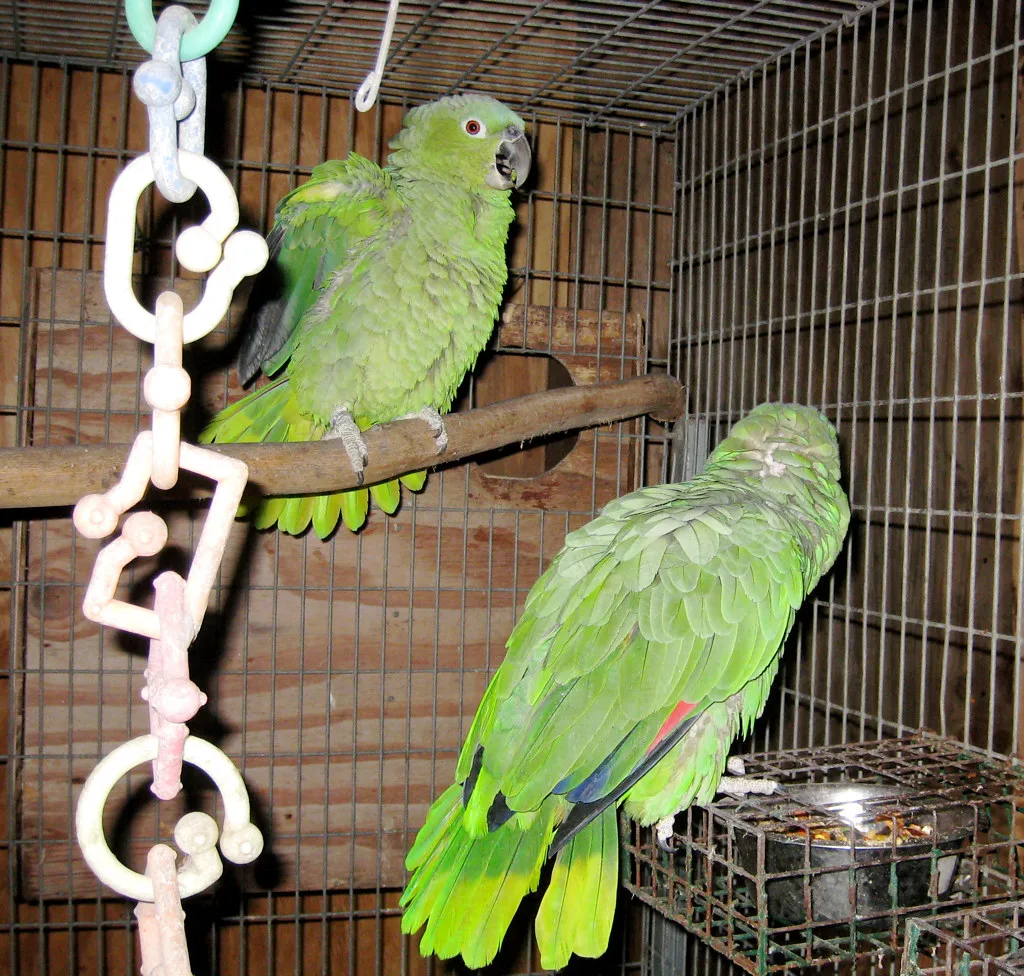
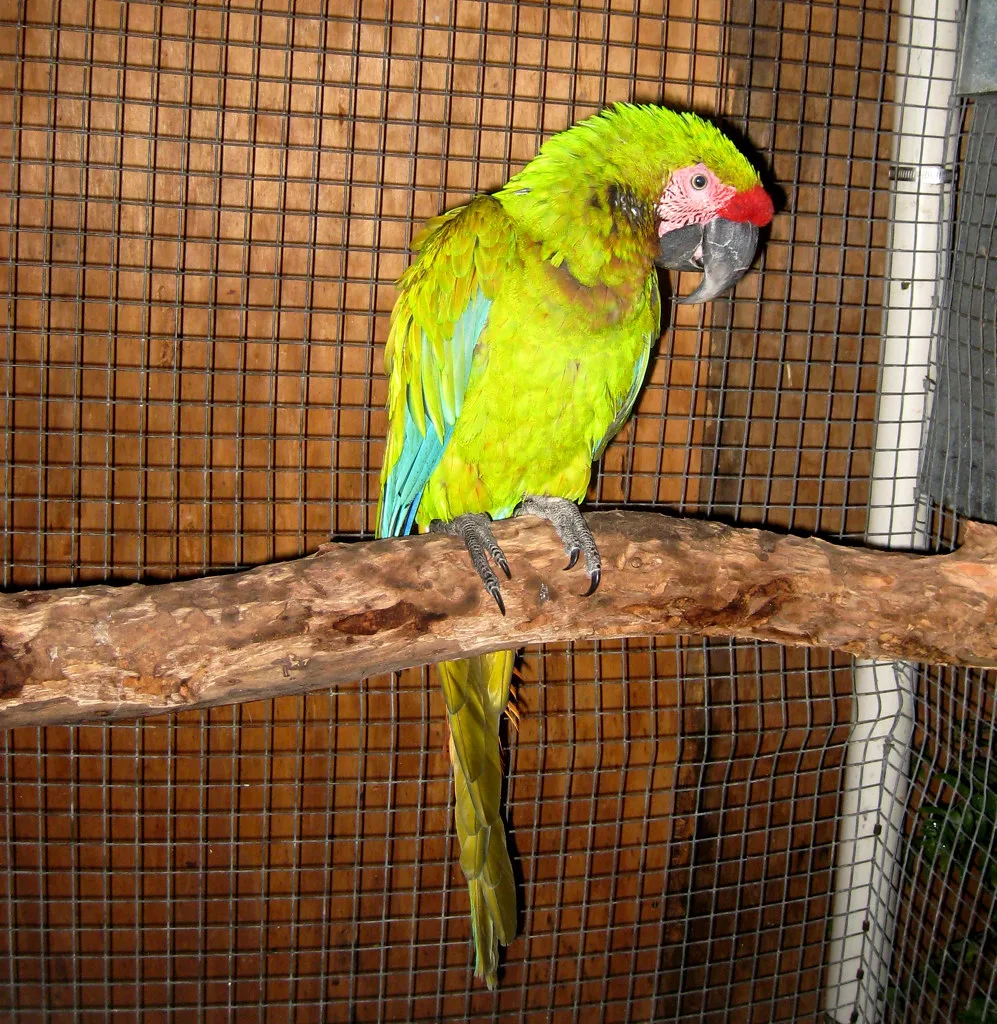
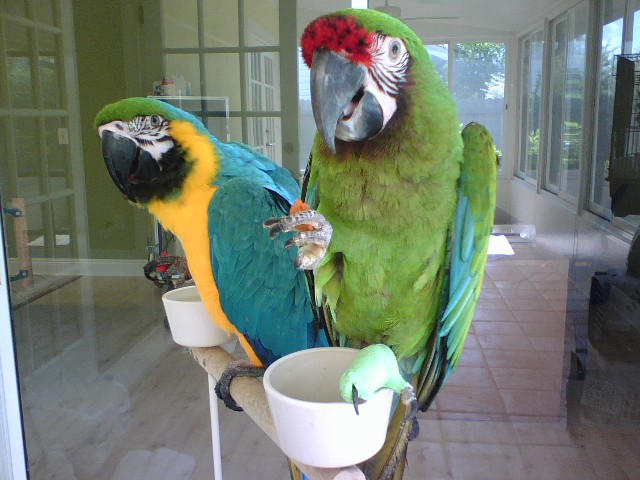
Real photographs from our breeding facility in Llíria, Valencia — not stock images.

See more in our full gallery →
Frequently Asked Questions
Are Sun Conures good for beginners?
Yes and no. They are affectionate and sociable, and their size makes handling easier than large macaws. However, the Sun Conure's call is extremely loud — a significant consideration for flat or terraced-house dwellers. The Green-cheeked Conure is considerably quieter and often better suited to noise-sensitive environments.
Do conures talk?
Some individuals learn 10–30 words, though conures are not renowned talkers compared to Amazons or African Greys. They compensate with expressive body language, whistles, and playful vocalisations that many owners find more endearing than speech.
How long do conures live?
20–30 years with proper care. A significant commitment for a bird of their size.
Are conures good with children?
Generally yes — their playful, active temperament suits energetic households well. They should always be supervised with very young children, as their bite can cause injury and their fragile bodies can be unintentionally harmed.
What size cage does a conure need?
Minimum 60×45×90 cm; a larger cage is always better. Conures are active birds that need space to climb and play. A well-stocked cage with multiple perches, swings, and foraging toys is essential.
Do you deliver conures to the UK?
Yes — throughout the UK and Ireland via specialist live-animal air cargo. Contact us at paraisodeloros@gmail.com for current availability and pricing.
Are Green-cheeked Conures quieter than Sun Conures?
Yes — significantly so. Green-cheeked Conures are among the quietest conure species and one of the best choices for those who want the conure personality without the volume of the Sun Conure.
Do conures need CITES documentation?
Yes — all Aratinga and Pyrrhura species used in commerce require CITES Appendix II documentation. We provide complete paperwork with every bird.
For budgeting context, see our Conure price guide.