Species Overview
| Characteristic | Detail |
|---|---|
| Scientific Name | Anodorhynchus hyacinthinus |
| Size | 100 cm, 1.2–1.7 kg |
| Wingspan | Up to 130 cm |
| Lifespan | 60–80 years |
| Vocabulary | 20–30 words |
| Noise Level | Loud |
| Family Suitability | Experienced owners only |
| CITES Status | CITES Appendix I |
About the Hyacinth Macaw
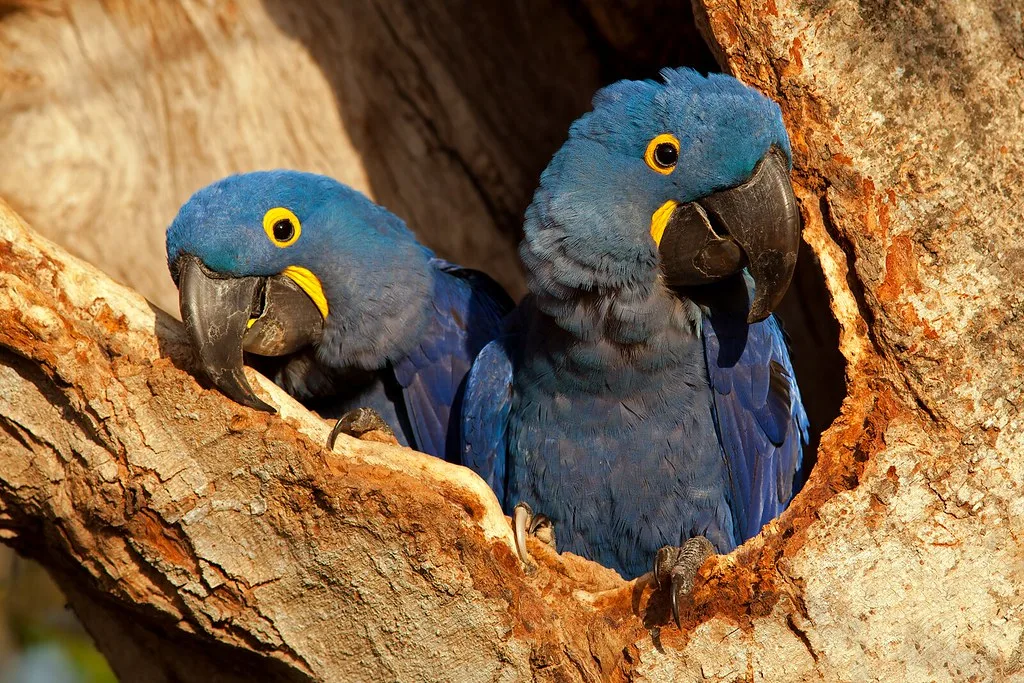
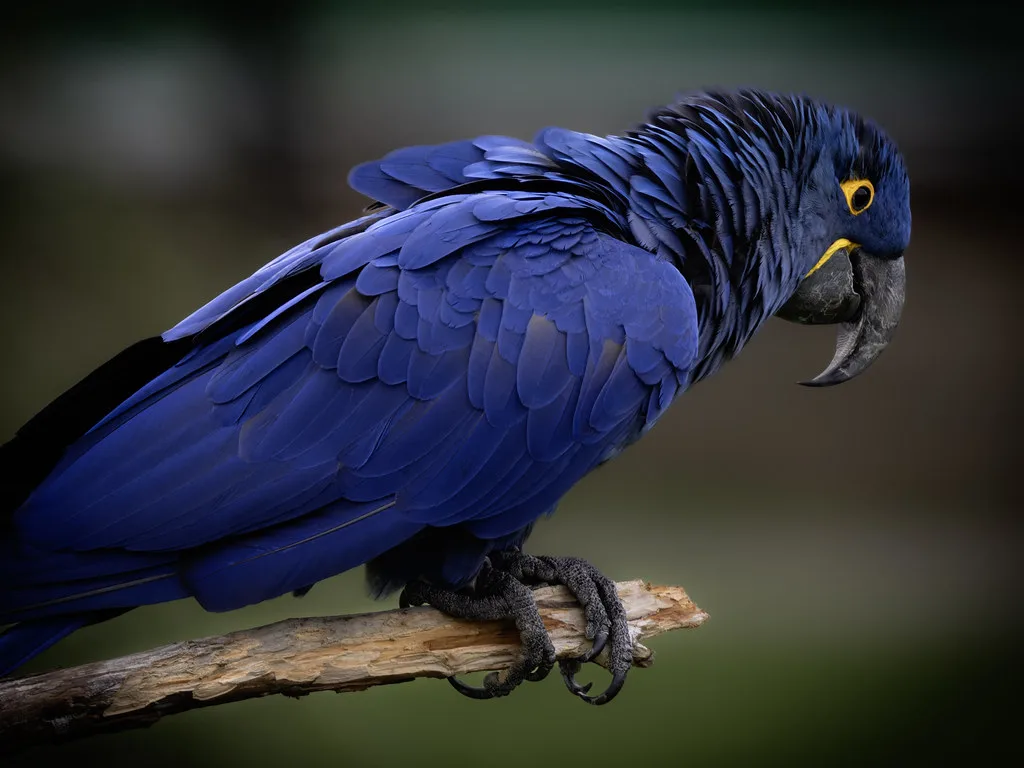
The Hyacinth Macaw (Anodorhynchus hyacinthinus) is the largest flying parrot species in the world — a breathtaking cobalt blue giant with a yellow facial ring and beak patch that sets it apart from every other bird on the planet. Native to central and eastern South America, particularly the Pantanal wetlands of Brazil, the Hyacinth is classified as Vulnerable on the IUCN Red List and listed on CITES Appendix I, making documentation non-negotiable for legal ownership.
Despite its imposing size, the Hyacinth Macaw is extraordinarily gentle, earning it the nickname gentle giant among parrot enthusiasts. For any individual Hyacinth Macaw, ask for its identification, provenance, raising history, veterinary information and the CITES documents actually held before considering a transaction.
A bird like no other
The Hyacinth's cobalt blue plumage is unlike any other naturally occurring colour in the bird world — deep, saturated, and iridescent in direct sunlight. At 100 cm from beak to tail tip and weighing up to 1.7 kg, a Hyacinth Macaw commands attention in any room. Its beak generates a bite force measured at over 300 psi — capable of cracking a coconut shell — yet hand-raised birds use this power with extraordinary gentleness, taking food delicately from fingers and grooming their owners with care.
Temperament
Hyacinth Macaws are affectionate, playful, and deeply bonded to their human family. They are less neurotic than smaller macaws, generally calmer, and tend to be more accepting of multiple family members. They enjoy being held, scratched under the feathers, and participating in household activity. However, they are loud — their calls carry over long distances outdoors — and their destructive chewing capacity means any space they occupy must be designed around them.
Housing requirements
- Cage size: minimum 150×120×200 cm — the largest available
- Bar gauge: minimum 5mm stainless steel; standard cages are insufficient
- Perches: very thick natural wood (10–15 cm diameter); they will destroy softer material
- Play gym: a dedicated, durable play stand is essential for daily out-of-cage time
- Chew provision: large chunks of palm wood, eucalyptus, and thick rope toys must be refreshed regularly
Diet and Nutrition
Hyacinth Macaws have a unique diet in the wild — they specialise in palm nuts, particularly the fruit of the Bocaiúva and Acrocomia palms. In captivity, they require:
- Macadamia nuts and Brazil nuts: the closest equivalent to their natural palm nut diet — offer daily in moderation
- Walnuts, almonds, hazelnuts: excellent energy source; avoid salted or flavoured varieties
- Pellets designed for macaws (30–40%): Roudybush Macaw or Harrison's High Potency
- Fresh fruit (20–25%): papaya, mango, banana, apple, grapes
- Fresh vegetables (15–20%): corn on the cob, sweet potato, broccoli, kale
Unlike smaller parrots, Hyacinths process more fat in their diet due to their nut-based wild diet. Do not restrict fats as you might with an Amazon or African Grey. Avoid avocado, onion, chocolate, and caffeine.
Gallery
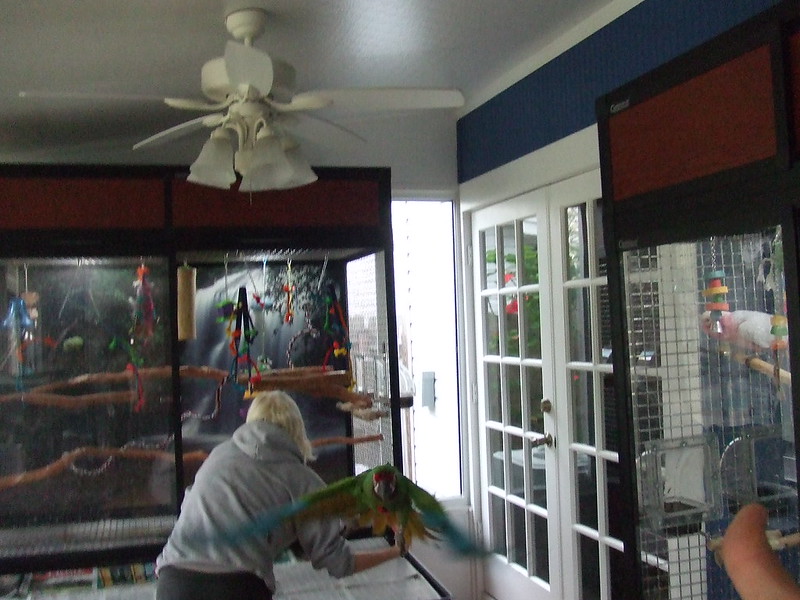
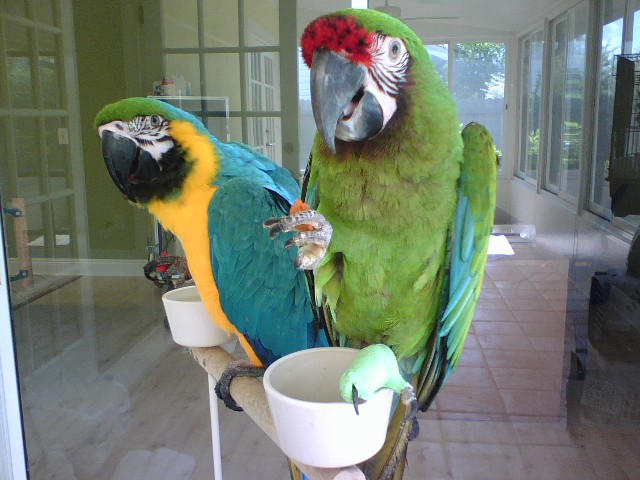
Real photographs from our breeding facility in Llíria, Valencia — not stock images.
See more in our full gallery →
Frequently Asked Questions
How much does a Hyacinth Macaw cost in the UK?
Hyacinth Macaws are among the most expensive parrots in the world due to their CITES Appendix I status, rarity, and the cost of breeding. Prices vary significantly. Please contact us at paraisodeloros@gmail.com for current availability and pricing.
For budgeting context, see our Hyacinth Macaw price guide; if you are weighing alternatives, compare the Hyacinth and Scarlet Macaw comparison.
Are Hyacinth Macaws legal to own in the UK?
The Hyacinth Macaw is CITES listed. Required import, export and commercial-use documents depend on the individual specimen and route. An Article 10 certificate is not a substitute for a Great Britain import permit.
Do Hyacinth Macaws talk?
Hyacinth Macaws are not renowned talkers — most learn 20–30 words. However, their personality, size, and affectionate nature more than compensate. Many owners find vocalisations — a range of calls, whistles, and sounds — more appealing than rote word repetition.
How much space does a Hyacinth Macaw need?
Hyacinths are the largest flying parrots and require very large enclosures — minimum 150×120×200 cm for the cage. Many owners dedicate a full room or build an outdoor aviary. Daily out-of-cage time in a bird-proofed area is essential.
Are Hyacinth Macaws aggressive?
Hand-raised Hyacinths are typically very gentle despite their formidable beak. They are generally calmer and less prone to biting than smaller macaws. However, any large parrot can bite if frightened or mishandled. Proper socialisation from birth — as we provide — minimises this risk substantially.
Do you ship Hyacinth Macaws to Ireland?
Great Britain and Ireland have different CITES and animal-health systems. A proposed movement must be checked for the individual bird; transport is discussed only if the necessary approvals and a suitable route can be confirmed.
What do Hyacinth Macaws eat?
In the wild they specialise in palm nuts. In captivity, their diet should include macadamia and Brazil nuts daily, quality macaw pellets, fresh fruit, and vegetables. They require more fat in their diet than other parrots — do not restrict healthy nut fats.
How long does a Hyacinth Macaw live?
60–80 years in captivity with proper care. Owning a Hyacinth Macaw is a multigenerational commitment. We strongly recommend naming a guardian in your will.