Species Overview
| Characteristic | Detail |
|---|---|
| Scientific Name | Ara ararauna |
| Size | 86–94 cm, 900–1,200 g |
| Wingspan | Up to 100 cm |
| Lifespan | 60–70 years |
| Vocabulary | 40–60 words |
| Noise Level | Loud |
| Family Suitability | Families, experienced owners |
| CITES Status | CITES Appendix II |
About the Blue-and-Yellow Macaw
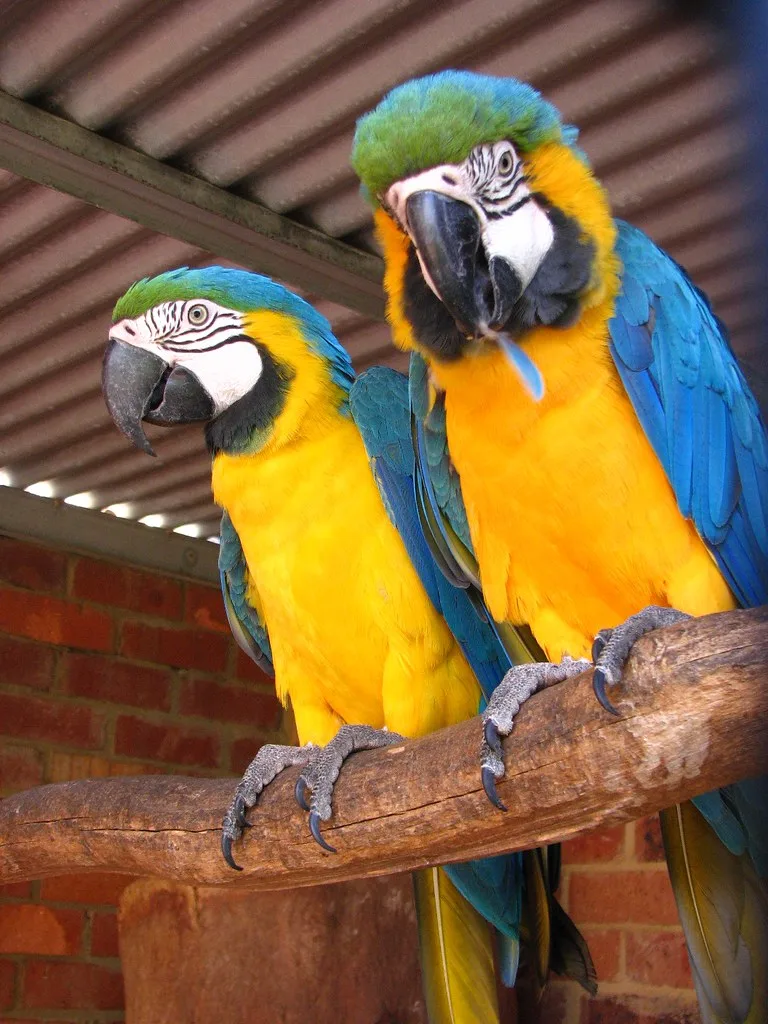
The Blue-and-Yellow Macaw (Ara ararauna) is the world's most popular large macaw — and for very good reason. Its electric turquoise-and-golden plumage is instantly recognisable; its sociable, playful temperament makes it one of the most rewarding parrots a family can own. At 86–94 cm from beak to tail, it is a substantial bird that commands presence and demands genuine commitment.
For an individual Blue-and-Yellow Macaw, ask us to confirm current availability, source, identification, raising history and the records actually held. Any proposed international movement is reviewed separately for the destination and bird.
Personality
Blue-and-Yellow Macaws are famously sociable, energetic, and emotionally expressive. They bond strongly with their human family, enjoy being handled and carried, and actively seek interaction throughout the day. They are curious explorers — give them access to a room and they will investigate every object, surface, and container within reach.
They are among the most emotionally intelligent macaws, often mirroring their owner's mood and responding to tone of voice as much as to words. This sensitivity makes them deeply rewarding to live with, but also means they feel neglect acutely. A Blue-and-Yellow left alone for long periods will become stressed and potentially destructive.
Intelligence and trainability
These macaws respond exceptionally well to positive reinforcement training. Target training, step-up commands, and simple tricks can be taught within weeks of the bird arriving home. Speech development is excellent by macaw standards — most hand-raised birds develop vocabularies of 40–60 words, and many go considerably further with consistent training.
Diet and Nutrition
The Blue-and-Yellow Macaw thrives on a varied, nutrient-rich diet:
- Quality macaw pellets (40–50%): Harrison's High Potency, Roudybush, or Zupreem Natural
- Fresh fruits (25%): papaya, mango, apple (no seeds), banana, grapes, berries
- Fresh vegetables (20%): kale, sweet pepper, broccoli, carrot, sweet corn, courgette
- Nuts and seeds (10%): walnuts, almonds, Brazil nuts, sunflower seeds as treats
- Cooked grains (occasional): brown rice, quinoa, cooked pasta
Never feed avocado, chocolate, onion, garlic, caffeine, or anything salted or sweetened. Fresh water twice daily minimum.
Gallery
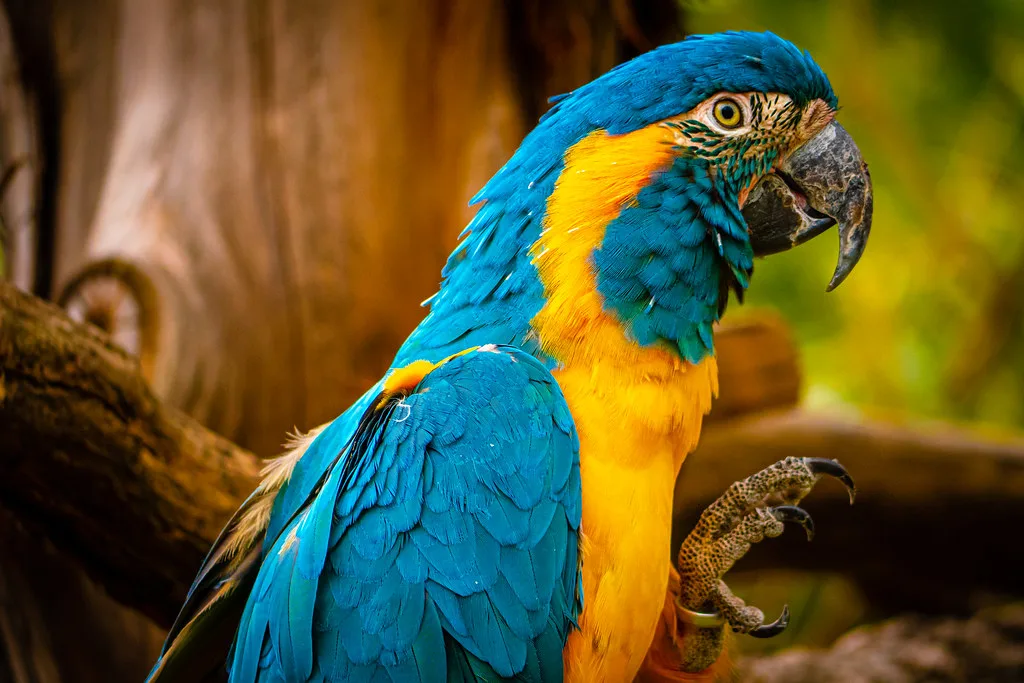
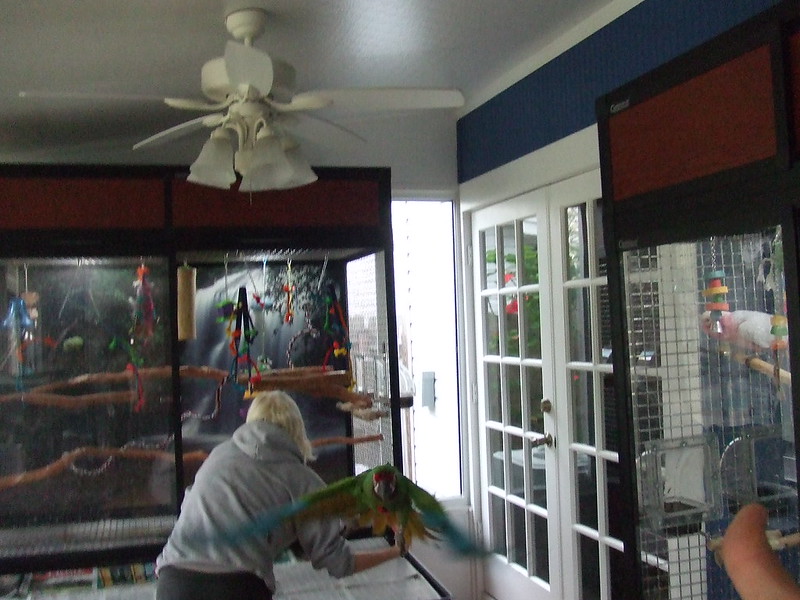
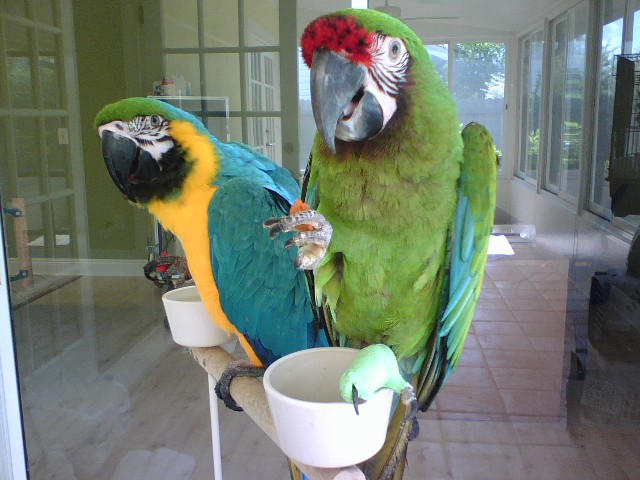
Real photographs from our breeding facility in Llíria, Valencia — not stock images.
See more in our full gallery →
Frequently Asked Questions
Are Blue-and-Yellow Macaws good family pets?
Yes — they are among the most family-friendly large parrots. Hand-raised birds are sociable, tolerant, and adapt well to households with multiple people. They generally do well with respectful children aged 8 and older. Supervision is always recommended around very young children.
How much does a Blue-and-Yellow Macaw cost in the UK?
Prices depend on the individual bird and written offer. Ask which identification, provenance, veterinary and CITES records are currently held and verify that they match the bird.
For budgeting context, see our Blue-and-Yellow Macaw price and ownership-cost guide; if you are weighing alternatives, compare the Catalina and Blue-and-Yellow Macaw comparison.
Do Blue-and-Yellow Macaws talk?
Yes — they are good talkers by macaw standards. With regular training from a young age, most develop 40–60 words and some reach considerably more. They are also accomplished mimics of household sounds.
How long do Blue-and-Yellow Macaws live?
60–70 years in captivity with proper care. This is a lifelong companion — plan for the bird's long-term care, including naming a guardian should circumstances change.
What size cage is needed for a Blue-and-Yellow Macaw?
Minimum 120×90×160 cm; 180×90×180 cm is ideal. They need space to stretch their wingspan, climb, and play. Daily out-of-cage time in a safe area is non-negotiable.
Can you deliver a Blue-and-Yellow Macaw to the UK?
The proposed route must be assessed for the individual bird and destination. Great Britain and Ireland have different requirements, so transport is not confirmed until the relevant CITES, animal-health, carrier and entry conditions are satisfied.
Do they make good companions for single owners?
Excellent companions for single owners who have sufficient time to dedicate to interaction. They bond deeply with their primary person and enjoy being the centre of attention. Be aware they need 3–4 hours of interaction daily — they are not independent birds.
Are Blue-and-Yellow Macaws loud?
All large macaws are loud by domestic standards. They call at dusk and dawn naturally, and may call when excited or alarmed at other times. This is worth considering carefully if you live in a flat or semi-detached house with shared walls.