Species Overview
| Characteristic | Detail |
|---|---|
| Scientific Name | Psittacus erithacus |
| Size | 33 cm, 400–650 g |
| Wingspan | 46–52 cm |
| Lifespan | 50–70 years |
| Vocabulary | 800–1,000+ words |
| Noise Level | Moderate |
| Family Suitability | Ideal for experienced owners |
| CITES Status | CITES Appendix I |
About the African Grey Parrot
The African Grey parrot (Psittacus erithacus) is widely regarded as the most intelligent bird species on Earth. Celebrated for its extraordinary cognitive abilities and unmatched capacity for human speech, the African Grey forms deep, lifelong bonds with its owners and can learn vocabulary running into the hundreds — sometimes over a thousand — words and phrases.
The Congo African Grey (Psittacus erithacus) and Timneh African Grey (Psittacus timneh) are distinct species with different appearance and availability. Ask for the exact scientific species, identification, provenance and raising history of any individual bird being offered.
Intelligence & language
No parrot species rivals the African Grey for cognitive depth. Research by Dr Irene Pepperberg demonstrated that Grey parrots like Alex could understand concepts such as colour, shape, material, quantity, and absence — abilities once attributed exclusively to great apes. An African Grey doesn't merely mimic: it uses language contextually, responds to questions, and often speaks at appropriate moments.
Speech development typically begins at 6–12 months and accelerates rapidly over the first three years. Hand-raised birds that hear consistent, clear speech from their human family learn fastest. Most adults can produce 100–800 words with clear pronunciation and many use sentences unprompted.
Temperament
African Greys are sensitive, perceptive birds that thrive on routine and close companionship. They are selectively social — they may choose one primary companion in a household — and can be initially reserved with strangers. Once trust is established, however, a Grey is extraordinarily affectionate, seeking physical contact, playing games, and actively engaging in household life.
They are not tolerant of boredom. A Grey without sufficient mental stimulation will develop feather-plucking, repetitive screaming, or other stress behaviours. Enrichment — foraging toys, training sessions, varied environments — is as essential as food and water.
Care requirements
- Cage size: minimum 90×60×120 cm; larger is always better
- Out-of-cage time: at least 3–4 hours supervised daily
- Perches: 3–4 of varying diameters; natural wood preferred
- Toys: rotate weekly — foraging, puzzle, and chew toys
- Bathing: warm water spray or shallow bath 2–3 times per week
- Veterinary: annual check-up with an avian specialist; CITES document required for UK import
Diet and Nutrition
African Greys require a nutritionally balanced diet to maintain their complex physiology. They are prone to hypocalcaemia (low calcium), Vitamin A deficiency, and feather-destructive behaviour when fed poor diets. We recommend:
- High-quality pellets (50–60%): Harrison's, Roudybush, or Zupreem Natural — the backbone of the diet
- Fresh vegetables (25–30%): dark leafy greens (kale, spinach, chard), carrot, sweet pepper, broccoli, courgette
- Fresh fruit (10%): apple, pear, pomegranate, mango — in moderation due to sugar content
- Seeds and nuts (5–10%): sunflower seeds sparingly; walnuts and almonds as treats
Foods to avoid: avocado, chocolate, caffeine, onion, garlic, alcohol, and the seeds of apples and pears. Ensure fresh water is available at all times and changed twice daily.
Gallery
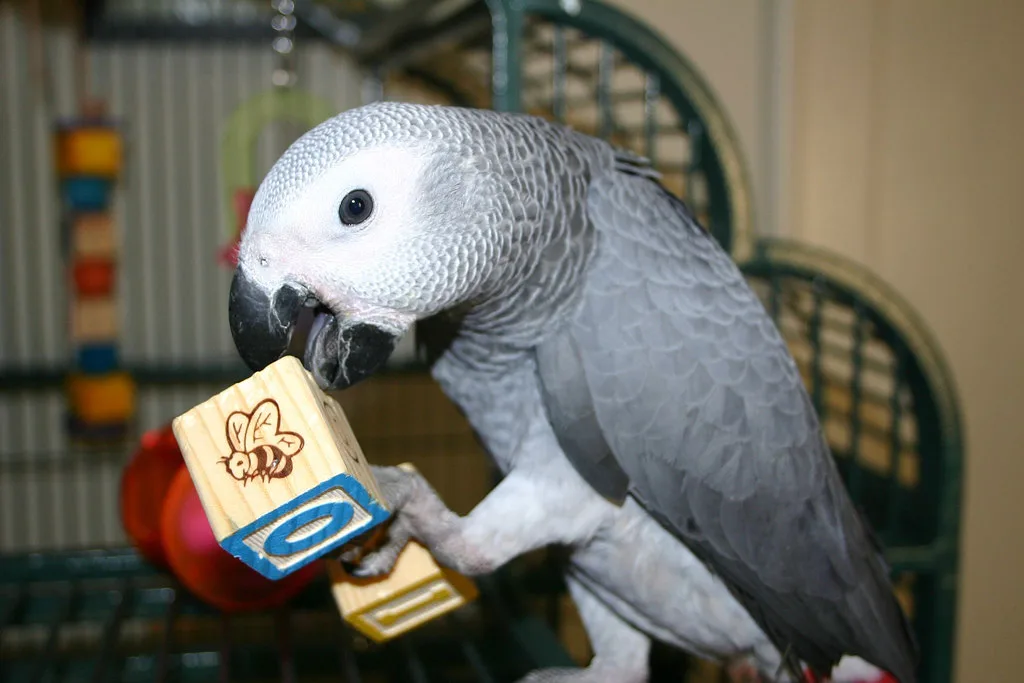
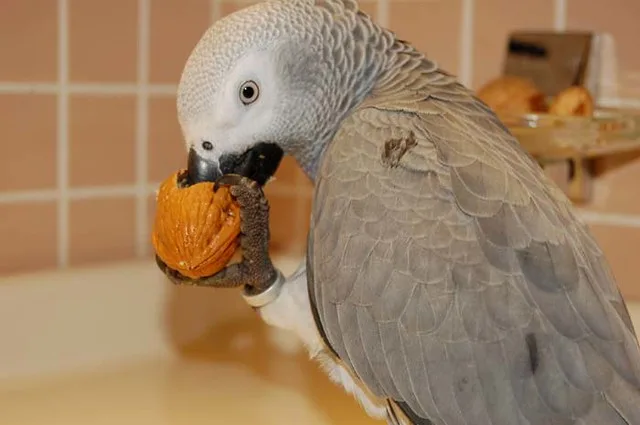
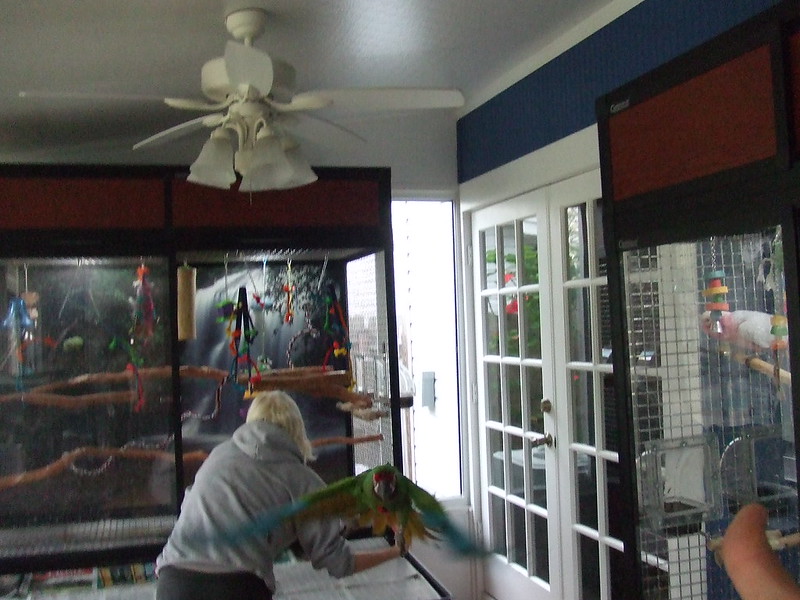
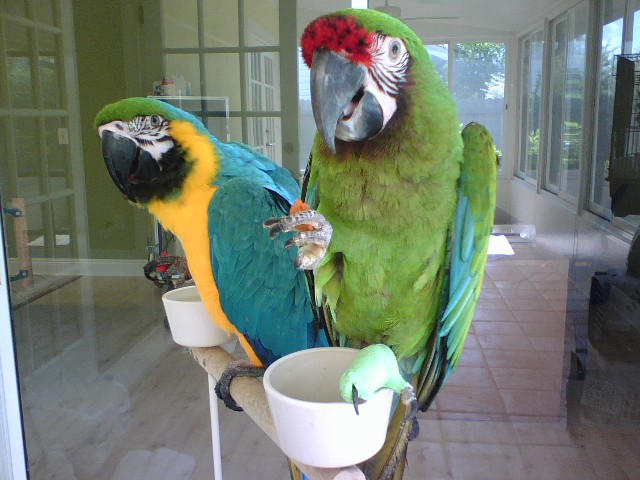
Real photographs from our breeding facility in Llíria, Valencia — not stock images.
See more in our full gallery →
Frequently Asked Questions
Do African Grey parrots really talk?
Yes — African Greys are the most accomplished talking birds in the world. With consistent interaction, hand-raised birds typically develop vocabularies of 100–500 words by age 3, with some reaching over 1,000. They do not merely repeat: many contextually apply language, name objects, and respond to questions.
Are African Greys good pets for beginners?
They are best suited to experienced bird owners or those who have thoroughly researched the species. Their intelligence means they have complex emotional needs, and they require daily mental stimulation, a stable routine, and consistent social interaction to thrive.
How long does an African Grey parrot live?
In captivity with proper care, 50–70 years. This is a lifelong commitment — please factor in what will happen to the bird if circumstances change, and consider naming a bird guardian in your will.
Do you deliver African Grey parrots to the UK?
A proposed route is assessed for the individual bird and destination. Great Britain and Ireland have different CITES and animal-health requirements, so transport is discussed only after the required approvals and welfare arrangements can be confirmed.
What CITES documents does an African Grey need?
The African Grey is CITES listed. The exact import, export and commercial-use documents depend on the specimen and route. Exporter and importer responsibilities must be confirmed with the relevant authorities before payment or transport.
How much does an African Grey parrot cost in the UK?
Prices vary by individual bird and availability. Request an itemised written offer and ask which identification, provenance, veterinary and CITES records are currently held for that bird.
For budgeting context, see our African Grey price and ownership-cost guide; if you are weighing alternatives, compare the African Grey and Amazon comparison.
Are African Greys good with children?
They can be wonderful with children who treat them respectfully and calmly. However, they are emotionally sensitive and can be startled by unpredictable behaviour. We recommend supervision with young children and teaching children to read the bird's body language.
What size cage does an African Grey need?
The minimum recommended cage is 90×60×120 cm (W×D×H), though larger is always better. Greys need space to climb, flap, and move freely. A play stand outside the cage for daily out-of-cage time is strongly recommended.