Species Overview
| Characteristic | Detail |
|---|---|
| Scientific Name | Pionus spp. |
| Size | 28–32 cm, 200–280 g |
| Wingspan | 35–42 cm |
| Lifespan | 25–40 years |
| Vocabulary | 20–40 words |
| Noise Level | Quiet-moderate |
| Family Suitability | Excellent for families, beginners, flats |
| CITES Status | CITES Appendix II |
About the Pionus Parrots
Pionus parrots are often described as the best-kept secret in aviculture — gentle, calm, adaptable birds that offer many of the qualities of larger parrots without the demanding noise levels and intensity of Amazons, macaws, or cockatoos. The Blue-headed Pionus (Pionus menstruus) and Maximilian's Pionus (P. maximiliani) are our primary breeding species, both known for their even temperaments and suitability for family life.
Pionus parrots are stocky, medium-sized birds with a characteristic iridescent purple-red undertail that flashes brilliantly in sunlight. The Blue-headed Pionus has a vivid cobalt head contrasting with a green body; the Maximilian's is predominantly dusky green-brown with iridescent scaling. Both are quietly beautiful birds that reward close observation.
Why Pionus parrots are underrated
The Pionus suffers commercially from being overshadowed by the more dramatic macaws, Greys, and cockatoos. This is genuinely to the advantage of those who discover them. They are:
- Quieter than most medium and large parrots — suitable for flats and urban environments
- Less emotionally intense than cockatoos or African Greys
- More independent than many species — they can entertain themselves without constant attention
- Excellent family birds — tolerant of multiple family members, generally gentle with children
- Long-lived but not as extreme as macaws — 25–40 years with proper care
Temperament
Pionus parrots are calm, gentle, and affectionate without being clingy. Unlike cockatoos, which may scream for attention if ignored, a Pionus will quietly entertain itself with toys and foraging. They enjoy interaction on their own terms and can be wonderfully affectionate birds once trust is established — often allowing prolonged preening and physical contact once comfortable.
Diet and Nutrition
Pionus parrots benefit from a nutritious, varied diet:
- Pellets (50%): Harrison's Fine or Medium, Roudybush Daily Maintenance
- Fresh vegetables (25–30%): kale, broccoli, sweet pepper, carrot, Swiss chard, sweet potato
- Fresh fruit (15%): apple, berries, papaya, mango — in moderation
- Seeds and sprouts (5–10%): sprouted sunflower, mung bean; dry seeds as treats only
Pionus parrots can be prone to Vitamin A deficiency if fed a seed-heavy diet — dark orange and leafy green vegetables help prevent this. Avoid avocado, chocolate, onion, garlic, caffeine, and salted foods.
Gallery
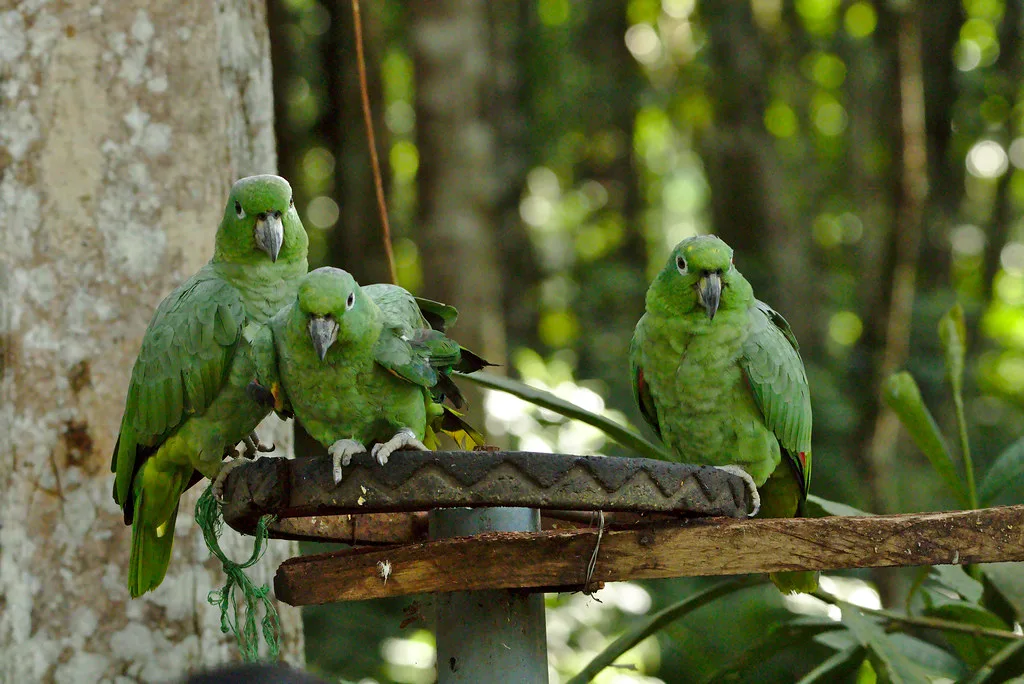
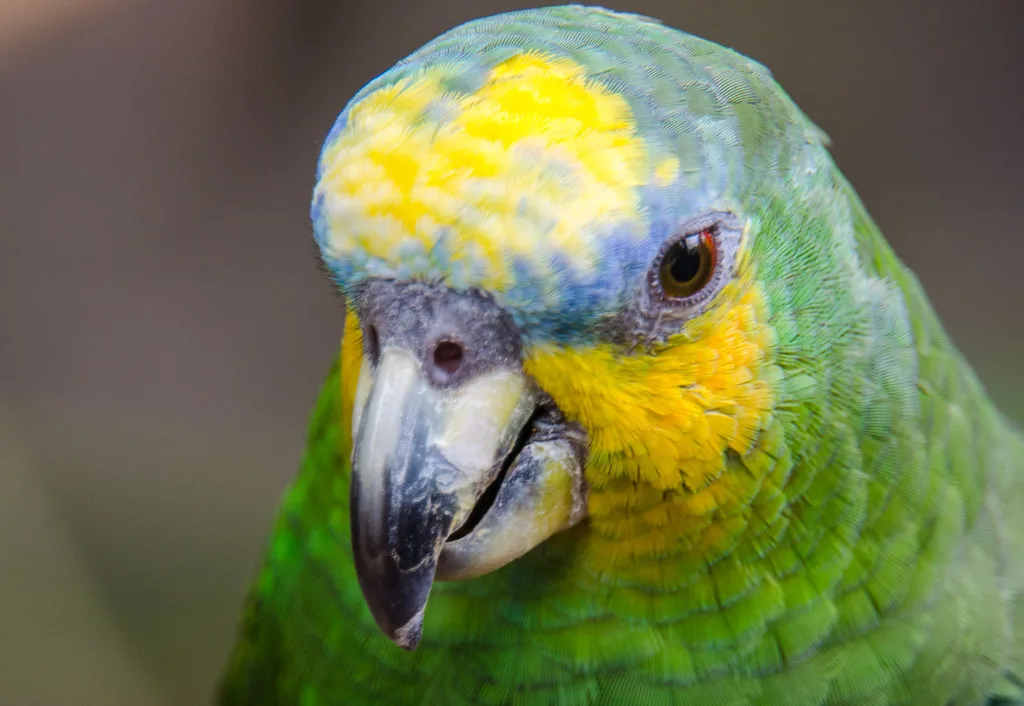
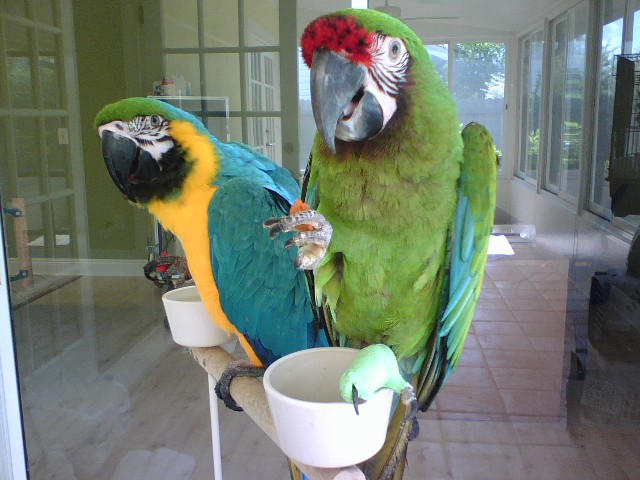
Real photographs from our breeding facility in Llíria, Valencia — not stock images.

See more in our full gallery →
Frequently Asked Questions
Are Pionus parrots good for beginners?
Yes — they are considered one of the best medium-parrot choices for first-time bird owners. Their calm temperament, moderate noise level, and relative independence make them accessible and enjoyable for new owners.
Are Pionus parrots quiet?
Yes, relative to most parrot species. They are considerably quieter than Sun Conures, cockatoos, Amazons, and macaws. This makes them one of the best choices for flat-dwellers or those with noise-sensitive neighbours.
Do Pionus parrots talk?
They learn 20–40 words and can be surprisingly clear speakers. They are not in the same category as African Greys or Yellow-naped Amazons, but their voices are pleasantly melodic and they develop charming personal phrases.
How long do Pionus parrots live?
25–40 years with proper care — a meaningful long-term commitment.
Are Pionus parrots good with children?
Generally yes. They are tolerant, gentle, and adaptable. As always, supervision with young children and teaching children to respect the bird's body language signals is essential.
Do Pionus parrots need CITES documentation?
Yes — all Pionus species in commercial trade require CITES Appendix II documentation. We provide complete paperwork with every bird.
Can you deliver Pionus parrots to the UK?
Yes — throughout the UK and Ireland via specialist live-animal air cargo. Contact us at paraisodeloros@gmail.com.
What makes Pionus parrots different from Amazon parrots?
They are closely related but Pionus are generally calmer, quieter, and less assertive than Amazons. They lack the Amazon's seasonal hormonal swings. Many owners who found Amazons too intense switch to Pionus and are delighted by the difference.